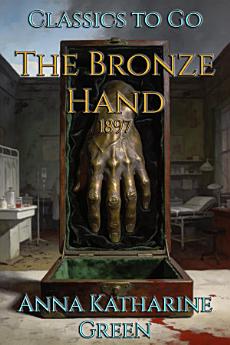
The Bronze Hand: Restored Classics to Go Edition
About this ebook
Discover more
About the author
Anna Katharine Green was a pioneering American writer whose life and career helped shape the modern detective story. Born in 1846 in Brooklyn, New York, she grew up in a cultured, literary household and developed an early love of storytelling and careful observation, qualities that would later define her fiction. At a time when serious crime writing was dominated by men, she built a remarkable career through intelligence, precision, and a gift for suspense, becoming one of the first women to achieve lasting success in detective fiction. Her novels and short stories are celebrated for their intricate plotting, psychologically alert characters, and the steady unveiling of clues that invite readers to think alongside the investigator rather than simply watch events unfold. She was especially skilled at blending mystery with social detail, family tension, and moral uncertainty, giving her stories a richness that still feels fresh today. Her work remains relevant because it anticipates many features of contemporary crime fiction: the importance of forensic reasoning, the complexity of hidden motives, and the idea that appearances can be deeply misleading. Green's legacy is substantial, as later mystery writers inherited not only her narrative techniques but also her conviction that women could be central creators in a genre often closed to them. Today, readers interested in classic mysteries, the history of detective fiction, strong plotting, and smart, suspenseful storytelling are likely to find her work especially rewarding.