ਇਸ ਈ-ਕਿਤਾਬ ਬਾਰੇ
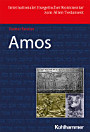
This commentary interprets the book of Amos as handed down in the Hebrew Bible: as a collection of the words of a prophet who emerges in the eighth century BCE and proclaims the end of the kingdom of Israel due to the social and ritual transgressions of its upper class, but in the end announces a safe future in abundant prosperity for survivors of the catastrophe from Judah and Israel. Diachronic analysis traces a path from the message of the eponymous prophet, which is recognizable only in outline, through the adaptations made by the first transmitters of the text following the end of the northern kingdom of Israel, to the final figure, who probably dates from the Persian era. Texts witnessing to the reception of the book & from other Old Testament writings to the present day & presented in highlights.
This commentary interprets the book of Amos as handed down in the Hebrew Bible: as a collection of the words of a prophet who emerges in the eighth century BCE and proclaims the end of the kingdom of Israel due to the social and ritual transgressions of its upper class, but in the end announces a...
ਹੋਰ ਲੱਭੋ
ਲੇਖਕ ਬਾਰੇ
Emeritus Prof. Rainer Kessler is a retired professor of Old Testament at the University of Marburg and Research Fellow at the University of the Free State in Bloemfontein, South Africa.
Emeritus Prof. Rainer Kessler is a retired professor of Old Testament at the University of Marburg and Research Fellow at the University of the Free State in Bloemfontein, South Africa.
ਇਸ ਈ-ਕਿਤਾਬ ਨੂੰ ਰੇਟ ਕਰੋ
ਆਪਣੇ ਵਿਚਾਰ ਦੱਸੋ
ਪੜ੍ਹਨ ਸੰਬੰਧੀ ਜਾਣਕਾਰੀ
ਸਮਾਰਟਫ਼ੋਨ ਅਤੇ ਟੈਬਲੈੱਟ
Google Play Books ਐਪ ਨੂੰ Android ਅਤੇ iPad/iPhone ਲਈ ਸਥਾਪਤ ਕਰੋ। ਇਹ ਤੁਹਾਡੇ ਖਾਤੇ ਨਾਲ ਸਵੈਚਲਿਤ ਤੌਰ 'ਤੇ ਸਿੰਕ ਕਰਦੀ ਹੈ ਅਤੇ ਤੁਹਾਨੂੰ ਕਿਤੋਂ ਵੀ ਆਨਲਾਈਨ ਜਾਂ ਆਫ਼ਲਾਈਨ ਪੜ੍ਹਨ ਦਿੰਦੀ ਹੈ।
ਲੈਪਟਾਪ ਅਤੇ ਕੰਪਿਊਟਰ
ਤੁਸੀਂ ਆਪਣੇ ਕੰਪਿਊਟਰ ਦਾ ਵੈੱਬ ਬ੍ਰਾਊਜ਼ਰ ਵਰਤਦੇ ਹੋਏ Google Play 'ਤੇ ਖਰੀਦੀਆਂ ਗਈਆਂ ਆਡੀਓ-ਕਿਤਾਬਾਂ ਸੁਣ ਸਕਦੇ ਹੋ।
eReaders ਅਤੇ ਹੋਰ ਡੀਵਾਈਸਾਂ
e-ink ਡੀਵਾਈਸਾਂ 'ਤੇ ਪੜ੍ਹਨ ਲਈ ਜਿਵੇਂ Kobo eReaders, ਤੁਹਾਨੂੰ ਫ਼ਾਈਲ ਡਾਊਨਲੋਡ ਕਰਨ ਅਤੇ ਇਸਨੂੰ ਆਪਣੇ ਡੀਵਾਈਸ 'ਤੇ ਟ੍ਰਾਂਸਫਰ ਕਰਨ ਦੀ ਲੋੜ ਹੋਵੇਗੀ। ਸਮਰਥਿਤ eReaders 'ਤੇ ਫ਼ਾਈਲਾਂ ਟ੍ਰਾਂਸਫਰ ਕਰਨ ਲਈ ਵੇਰਵੇ ਸਹਿਤ ਮਦਦ ਕੇਂਦਰ ਹਿਦਾਇਤਾਂ ਦੀ ਪਾਲਣਾ ਕਰੋ।