આ ઇ-પુસ્તક વિશે
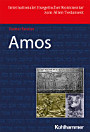
This commentary interprets the book of Amos as handed down in the Hebrew Bible: as a collection of the words of a prophet who emerges in the eighth century BCE and proclaims the end of the kingdom of Israel due to the social and ritual transgressions of its upper class, but in the end announces a safe future in abundant prosperity for survivors of the catastrophe from Judah and Israel. Diachronic analysis traces a path from the message of the eponymous prophet, which is recognizable only in outline, through the adaptations made by the first transmitters of the text following the end of the northern kingdom of Israel, to the final figure, who probably dates from the Persian era. Texts witnessing to the reception of the book & from other Old Testament writings to the present day & presented in highlights.
This commentary interprets the book of Amos as handed down in the Hebrew Bible: as a collection of the words of a prophet who emerges in the eighth century BCE and proclaims the end of the kingdom of Israel due to the social and ritual transgressions of its upper class, but in the end announces a...
વધુ શોધો
લેખક વિશે
Emeritus Prof. Rainer Kessler is a retired professor of Old Testament at the University of Marburg and Research Fellow at the University of the Free State in Bloemfontein, South Africa.
Emeritus Prof. Rainer Kessler is a retired professor of Old Testament at the University of Marburg and Research Fellow at the University of the Free State in Bloemfontein, South Africa.
આ ઇ-પુસ્તકને રેટિંગ આપો
તમે શું વિચારો છો અમને જણાવો.
માહિતી વાંચવી
સ્માર્ટફોન અને ટૅબ્લેટ
Android અને iPad/iPhone માટે Google Play Books ઍપ ઇન્સ્ટૉલ કરો. તે તમારા એકાઉન્ટ સાથે ઑટોમૅટિક રીતે સિંક થાય છે અને તમને જ્યાં પણ હો ત્યાં તમને ઑનલાઇન અથવા ઑફલાઇન વાંચવાની મંજૂરી આપે છે.
લૅપટૉપ અને કમ્પ્યુટર
Google Play પર ખરીદેલ ઑડિઓબુકને તમે તમારા કમ્પ્યુટરના વેબ બ્રાઉઝરનો ઉપયોગ કરીને સાંભળી શકો છો.
eReaders અને અન્ય ડિવાઇસ
Kobo ઇ-રીડર જેવા ઇ-ઇંક ડિવાઇસ પર વાંચવા માટે, તમારે ફાઇલને ડાઉનલોડ કરીને તમારા ડિવાઇસ પર ટ્રાન્સફર કરવાની જરૂર પડશે. સપોર્ટેડ ઇ-રીડર પર ફાઇલો ટ્રાન્સ્ફર કરવા માટે સહાયતા કેન્દ્રની વિગતવાર સૂચનાઓ અનુસરો.