এই ইবুকখনৰ বিষয়ে
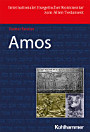
This commentary interprets the book of Amos as handed down in the Hebrew Bible: as a collection of the words of a prophet who emerges in the eighth century BCE and proclaims the end of the kingdom of Israel due to the social and ritual transgressions of its upper class, but in the end announces a safe future in abundant prosperity for survivors of the catastrophe from Judah and Israel. Diachronic analysis traces a path from the message of the eponymous prophet, which is recognizable only in outline, through the adaptations made by the first transmitters of the text following the end of the northern kingdom of Israel, to the final figure, who probably dates from the Persian era. Texts witnessing to the reception of the book & from other Old Testament writings to the present day & presented in highlights.
This commentary interprets the book of Amos as handed down in the Hebrew Bible: as a collection of the words of a prophet who emerges in the eighth century BCE and proclaims the end of the kingdom of Israel due to the social and ritual transgressions of its upper class, but in the end announces a...
অধিক বিচাৰি পাওক
লিখকৰ বিষয়ে
Emeritus Prof. Rainer Kessler is a retired professor of Old Testament at the University of Marburg and Research Fellow at the University of the Free State in Bloemfontein, South Africa.
Emeritus Prof. Rainer Kessler is a retired professor of Old Testament at the University of Marburg and Research Fellow at the University of the Free State in Bloemfontein, South Africa.
এই ইবুকখনক মূল্যাংকন কৰক
আমাক আপোনাৰ মতামত জনাওক।
পঢ়াৰ নির্দেশাৱলী
স্মাৰ্টফ’ন আৰু টেবলেট
Android আৰু iPad/iPhoneৰ বাবে Google Play Books এপটো ইনষ্টল কৰক। ই স্বয়ংক্রিয়ভাৱে আপোনাৰ একাউণ্টৰ সৈতে ছিংক হয় আৰু আপুনি য'তে নাথাকক ত'তেই কোনো অডিঅ'বুক অনলাইন বা অফলাইনত শুনিবলৈ সুবিধা দিয়ে।
লেপটপ আৰু কম্পিউটাৰ
আপুনি কম্পিউটাৰৰ ৱেব ব্রাউজাৰ ব্যৱহাৰ কৰি Google Playত কিনা অডিঅ'বুকসমূহ শুনিব পাৰে।
ই-ৰীডাৰ আৰু অন্য ডিভাইচ
Kobo eReadersৰ দৰে ই-চিয়াঁহীৰ ডিভাইচসমূহত পঢ়িবলৈ, আপুনি এটা ফাইল ডাউনল’ড কৰি সেইটো আপোনাৰ ডিভাইচলৈ স্থানান্তৰণ কৰিব লাগিব। সমৰ্থিত ই-ৰিডাৰলৈ ফাইলটো কেনেকৈ স্থানান্তৰ কৰিব জানিবলৈ সহায় কেন্দ্ৰত থকা সবিশেষ নিৰ্দেশাৱলী চাওক।