এই ইবুকখনৰ বিষয়ে
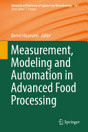
This book presents the latest findings on amino acid fermentation and reviews the 50-year history of their development. The book is divided into four parts, the first of which presents a review of amino acid fermentation, past and present. The second part highlights selected examples of amino acid fermentation in more detail, while the third focuses on recent advanced technologies. The last part introduces readers to several topics for future research directions in amino acid production systems. A new field, “amino acid fermentation”, was created by the progress of academic research and industrial development. In 1908, the Japanese researcher Kikunae Ikeda discovered glutamate as an Umami substance. Then a new seasoning, MSG (monosodium glutamate), was commercialized. Although glutamate was extracted from the hydro-lysate of wheat or soybean in the early days, a new production method was subsequently invented – “fermentation” – in which glutamate is produced from sugars such as glucose by a certain bacterium called Corynebacterium. The topic of this volume is particularly connected in a significant way with biochemical, biotechnological, and microbial fields. Both professionals in industry and an academic audience will understand the importance of this volume.
This book presents the latest findings on amino acid fermentation and reviews the 50-year history of their development. The book is divided into four parts, the first of which presents a review of amino acid fermentation, past and present. The second part highlights selected examples of amino aci...
অধিক বিচাৰি পাওক
মূল্যাংকন আৰু পৰ্যালোচনাসমূহ
৪ টা পৰ্যালোচনা
লিখকৰ বিষয়ে
Atsushi Yokota, Ph. D., Professor, Laboratory of Microbial Physiology, Division of Fundamental AgriScience Research, Research Faculty of Agriculture, Sapporo, Hokkaido University
Masato Ikeda, Ph. D., Professor, Department of Agricultural and Life Sciences, Faculty of Agriculture, Shinshu University, Nagano, Japan
Masato Ikeda, Ph. D., Professor, Department of Agricultural and Life Sciences, Faculty of Agriculture, Shinshu University, Nagano, Japan
Atsushi Yokota, Ph. D., Professor, Laboratory of Microbial Physiology, Division of Fundamental AgriScience Research, Research Faculty of Agriculture, Sapporo, Hokkaido University
Masato Ikeda, Ph. D., Professor, Department of Agricultural and Life Sciences, Faculty of Agriculture, Shinshu Univers...
এই ইবুকখনক মূল্যাংকন কৰক
আমাক আপোনাৰ মতামত জনাওক।
পঢ়াৰ নির্দেশাৱলী
স্মাৰ্টফ’ন আৰু টেবলেট
Android আৰু iPad/iPhoneৰ বাবে Google Play Books এপটো ইনষ্টল কৰক। ই স্বয়ংক্রিয়ভাৱে আপোনাৰ একাউণ্টৰ সৈতে ছিংক হয় আৰু আপুনি য'তে নাথাকক ত'তেই কোনো অডিঅ'বুক অনলাইন বা অফলাইনত শুনিবলৈ সুবিধা দিয়ে।
লেপটপ আৰু কম্পিউটাৰ
আপুনি কম্পিউটাৰৰ ৱেব ব্রাউজাৰ ব্যৱহাৰ কৰি Google Playত কিনা অডিঅ'বুকসমূহ শুনিব পাৰে।
ই-ৰীডাৰ আৰু অন্য ডিভাইচ
Kobo eReadersৰ দৰে ই-চিয়াঁহীৰ ডিভাইচসমূহত পঢ়িবলৈ, আপুনি এটা ফাইল ডাউনল’ড কৰি সেইটো আপোনাৰ ডিভাইচলৈ স্থানান্তৰণ কৰিব লাগিব। সমৰ্থিত ই-ৰিডাৰলৈ ফাইলটো কেনেকৈ স্থানান্তৰ কৰিব জানিবলৈ সহায় কেন্দ্ৰত থকা সবিশেষ নিৰ্দেশাৱলী চাওক।