About this ebook
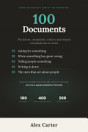
This book is one hundred calls, written out line by line: what you say, what the other person says back, and — the part no phrasebook gives you — what to say when the call does not go the way the script expects.
Every call is laid out the same way, on two facing pages.
• The opening line, printed on its own, because that one sentence decides the rest of the call — with three other ways to say it: more formal, shorter, or for the moment when you do not know who you need
• The call itself, turn by turn, at the speed people actually speak
• The four things the call must carry, so you can write them on a piece of paper before you dial
• If it goes another way — the second version, for when they say no, cannot help, or have a different answer
• Three ways to sink it — the sentences that sound reasonable and cost you the call, with the reason each one fails
Part One — the machinery. Answering, transferring, holding, spelling your name, asking somebody to repeat themselves, taking a message, getting off the line politely.
Part Two — complaints, from both sides of the desk. Ten calls you make and ten you take: refunds, faults, disputed charges, escalation, apologising for your company, saying no without losing the customer, and the caller who is shouting.
Part Three — work. Chasing an invoice, asking for a price, talking the price down, the telephone interview, giving your manager an update, saying no to your manager, speaking up on a conference call, getting to a yes.
Part Four — the difficult ones. Bad news, saying no to a friend, a bereavement, calling in sick, owning up to a mistake, handing in your notice, asking for money back, and the call where you have nothing to offer.
Part Five — ordinary life. The surgery, the pharmacy, the landlord, the airline, the bank, your child's school, the council, the emergency services, and the call you have been putting off for three weeks.
At the back, six pages you will keep returning to: all one hundred opening lines on consecutive pages; a phrase bank of sixty-four lines grouped by the job they do; the international spelling alphabet and the letters that sound alike on a telephone; how to say numbers, dates, times and money out loud without being misheard; how to leave a voicemail in twenty seconds; and the small noises English speakers make to show they are still listening.
100 calls · 400 opening lines · 1,700 lines of dialogue · 300 sentences to avoid