Selected Poems
Jun 2022 · DigiCat
Ebook
20
Pages
family_home
Eligible
info
About this ebook
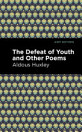
In "Selected Poems," Aldous Huxley presents a curated collection that traverses the complexities of human experience through evocative imagery and philosophical depth. The poems encapsulate Huxley's signature lyrical style, marked by a keen attentiveness to language and a probing intellect that explores themes of nature, existential inquiry, and the human condition. Set against the backdrop of early 20th-century literary movements, Huxley's work reflects the tension between modernity and spirituality, offering readers an intimate glimpse into the intellectual climate of his time. Aldous Huxley, renowned for his dystopian novel "Brave New World," was deeply influenced by his eclectic academic background and rich familial heritage in literature and science. His diverse experiences, including his interest in philosophy, psychology, and the human psyche, significantly informed his poetic voice. Furthermore, his exposure to various cultures and ideologies during his travels enriched his literary inquiries, making his poetry both introspective and expansive in its thematic scope. "Selected Poems" is a must-read for those seeking profound reflections on existence and beauty. Huxley's mastery of verse invites readers into a contemplative journey, making it an essential addition to the library of anyone interested in the intersections of poetry, philosophy, and the human experience.
In "Selected Poems," Aldous Huxley presents a curated collection that traverses the complexities of human experience through evocative imagery and philosophical depth. The poems encapsulate Huxley's signature lyrical style, marked by a keen attentiveness to language and a probing intellect that e...
About the author
Aldous Huxley, born on July 26, 1894, in Godalming, Surrey, England, was an iconic writer known for his novels, essays, and wide-ranging output in various genres. Raised in a family of distinguished intellectuals, Huxley's heritage no doubt played a role in shaping his formidable intellect and artistic aspirations. He attended Eton College and later studied at Balliol College, Oxford, graduating with first-class honours in English literature. Although Huxley began his career with poetry, as evinced in his 'Selected Poems', it is his prose that garnered him widespread acclaim. His deep interest in spirituality, humanism, and societal issues are recurrent themes in his body of work. His most celebrated novel, 'Brave New World' (1932), offers a prescient vision of a dystopian future shaped by technology and eugenics, reflecting his apprehensions about the loss of individual autonomy in the face of pervasive sociopolitical control. Huxley's style is marked by wit, intellectual prowess and a pervasive concern with the human condition, especially the consequences of advancing science and technology. Throughout his replete literary career, Huxley ventured into screenwriting, and essay writing, making significant contributions to the literary and intellectual discourse of the 20th century. A highly esteemed member of the intellectual community, Aldous Huxley passed away on November 22, 1963, leaving behind a legacy of literary works that continue to stimulate thought and debate on human potentialities and societal structures.
Aldous Huxley, born on July 26, 1894, in Godalming, Surrey, England, was an iconic writer known for his novels, essays, and wide-ranging output in various genres. Raised in a family of distinguished intellectuals, Huxley's heritage no doubt played a role in shaping his formidable intellect and ar...
Rate this ebook
Tell us what you think.
Reading information
Smartphones and tablets
Install the Google Play Books app for Android and iPad/iPhone. It syncs automatically with your account and allows you to read online or offline wherever you are.
Laptops and computers
You can listen to audiobooks purchased on Google Play using your computer's web browser.
eReaders and other devices
To read on e-ink devices like Kobo eReaders, you'll need to download a file and transfer it to your device. Follow the detailed Help Center instructions to transfer the files to supported eReaders.