මෙම ඉ-පොත ගැන
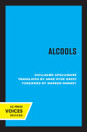
Guiilaume Apollinaire, a leading figure amongst the young writers and artists in France until his death in 1918, published 'Alcools', his first book of poems, in 1913. With its wide range of verse forms and contrasting registers of style, 'Alcools' had a considerable influence on Surrealist poetry. The poems provide a splendid example of the lyrical art in which the paradoxes of Apollinaire are held in high poetic tension. The editor's introduction and notes take place in the 20th Century and explain allusion and difficulties in the text.
Guiilaume Apollinaire, a leading figure amongst the young writers and artists in France until his death in 1918, published 'Alcools', his first book of poems, in 1913. With its wide range of verse forms and contrasting registers of style, 'Alcools' had a considerable influence on Surrealist poetr...
කර්තෘ පිළිබඳ
Professor Rees held a Chair of Modern French Literature at the University of Hull.
Professor Rees held a Chair of Modern French Literature at the University of Hull.
මෙම ඉ-පොත අගයන්න
ඔබ සිතන දෙය අපට කියන්න.
කියවීමේ තොරතුරු
ස්මාර්ට් දුරකථන සහ ටැබ්ලට්
Android සහ iPad/iPhone සඳහා Google Play පොත් යෙදුම ස්ථාපනය කරන්න. එය ඔබේ ගිණුම සමඟ ස්වයංක්රීයව සමමුහුර්ත කරන අතර ඔබට ඕනෑම තැනක සිට සබැඳිව හෝ නොබැඳිව කියවීමට ඉඩ සලසයි.
ලැප්ටොප් සහ පරිගණක
ඔබට ඔබේ පරිගණකයේ වෙබ් බ්රව්සරය භාවිතයෙන් Google Play මත මිලදී ගත් ශ්රව්යපොත්වලට සවන් දිය හැක.
eReaders සහ වෙනත් උපාංග
Kobo eReaders වැනි e-ink උපාංග පිළිබඳ කියවීමට, ඔබ විසින් ගොනුවක් බාගෙන ඔබේ උපාංගයට එය මාරු කිරීම සිදු කළ යුතු වේ. ආධාරකරු ඉ-කියවනයට ගොනු මාරු කිරීමට විස්තරාත්මක උදවු මධ්යස්ථාන උපදෙස් අනුගමනය කරන්න.