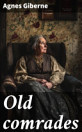
Old Comrades: Restored Classics to Go Edition
About this ebook
Discover more
About the author
Agnes Giberne was an English writer born in 1845 whose life unfolded at the intersection of faith, curiosity, and a deep desire to make knowledge accessible to young readers. Educated in a period when women's opportunities were still limited, she built a remarkably productive literary career that ranged from fiction and historical writing to popular science and religious instruction, becoming especially admired for the care and clarity with which she wrote for children and families. Her most enduring achievement was her ability to combine storytelling with moral seriousness and intellectual liveliness, creating books that educated as they entertained and that treated young readers as thoughtful minds rather than passive listeners. Across her work, she returned to themes of duty, perseverance, social responsibility, Christian faith, and the shaping power of character, while also showing a strong interest in science, history, and the natural world. That blend feels strikingly modern: her writing encourages curiosity, empathy, and resilience, qualities that remain valuable in a fast-changing world. Giberne's legacy lies in her talent for bringing complex ideas within reach and for writing with both warmth and conviction, making her an important figure in the tradition of Victorian children's literature. Readers who enjoy morally grounded stories, historical settings, and authors who can make learning feel inviting will find her especially rewarding today.