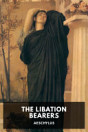
The Choëphoroe (Libation-Bearers) of Aeschylus
Aeschylus
Jul 2022 · DigiCat
Ebook
41
Pages
family_home
Eligible
info
About this ebook
In 'The Choëphoroe' (Libation-Bearers) of Aeschylus, the narrative tension of the Oresteia trilogy continues with a blend of lyrical dialogue and choral odes. Aeschylus utilizes the chorus as a vehicle not only to advance the story but also to delve into the moral ambiguities and the notion of justice within the ancient Greek ethos. This play further explores the tumultuous legacy of the House of Atreus, presenting a powerful examination of the cycles of vengeance and the quest for order from chaos. Its literary style is steeped in the grandeur of classical Greek tragedy, exhibiting a mastery of dramatic structure and poetic resonance that situates it as a cornerstone of Western literature. Aeschylus, heralded as the father of tragedy, taps into his vast experience as a playwright and a participant in the Persian Wars to dramatize themes of divine justice, familial loyalty, and the human condition. 'The Libation Bearers' emerges from a period of significant social and intellectual transformation in Athens, a time that gave rise to the democratic principles that Aeschylus subtly scrutinizes through the tapestry of myth. His intimate understanding of the Greek psyche, coupled with his experiences in martial conflict, imbue the narrative with an authenticity and gravitas in its portrayal of the tragic fragility of human existence. This seminal work beckons readers who appreciate the profundity of classical literature and those interested in the foundational narratives that shaped ancient Greek culture and society. Aeschylus' intricate exploration of morality amidst a backdrop of divine retribution offers an enduring reflection on justice and the human inclination towards vengeance and redemption. 'The Choëphoroe' is an essential read for enthusiasts of literary classics, students of drama and philosophy, and anyone captivated by the timeless questions posed by our ancestral mythologies.
In 'The Choëphoroe' (Libation-Bearers) of Aeschylus, the narrative tension of the Oresteia trilogy continues with a blend of lyrical dialogue and choral odes. Aeschylus utilizes the chorus as a vehicle not only to advance the story but also to delve into the moral ambiguities and the notion of ju...
Discover more
About the author
Aeschylus, born in c. 525/524 BC in the city of Eleusis, stands as a foundational figure in the development of Greek drama and, specifically, Greek tragedy. One of his works, 'The Choëphoroe (Libation-Bearers) of Aeschylus', is part of his renowned Oresteia trilogy, presenting a gripping narrative of family vengeance and justice before the gods, and is emblematic of his literary contributions. Aeschylus has been attributed with expanding the number of actors on stage, thus creating the possibility for dramatic dialogue. His writing is characterized by its grandeur of language and elaborate structure, which mirrored the profound themes he explored, such as divine justice, fate, and moral complexity in human affairs (Sommerstein, 1989). In his works, he often dealt with the intervention of gods in human actions and the consequences thereof, a theme vividly present in 'The Choëphoroe.' Aeschylus served at both the battles of Marathon and Salamis, a fact which sometimes imbued his plays with the spirit of Greek pride and resilience. Unfortunately, the majority of his estimated 70–90 plays have been lost, with only seven surviving in complete form. Despite the fragmentary nature of his extant works, his influence on Western literature is incontestable, with his innovations forming the bedrock of classical Greek drama and resonating through subsequent artistic tradition. Aeschylus died in 456 or 455 BC, but his legacy endures, corroborating his reputed prophecy that his words would be 'spoken for many years out of new-wrought masks' (Goldhill, 1984).
Aeschylus, born in c. 525/524 BC in the city of Eleusis, stands as a foundational figure in the development of Greek drama and, specifically, Greek tragedy. One of his works, 'The Choëphoroe (Libation-Bearers) of Aeschylus', is part of his renowned Oresteia trilogy, presenting a gripping narrativ...
Rate this ebook
Tell us what you think.
Reading information
Smartphones and tablets
Install the Google Play Books app for Android and iPad/iPhone. It syncs automatically with your account and allows you to read online or offline wherever you are.
Laptops and computers
You can listen to audiobooks purchased on Google Play using your computer's web browser.
eReaders and other devices
To read on e-ink devices like Kobo eReaders, you'll need to download a file and transfer it to your device. Follow the detailed Help Center instructions to transfer the files to supported eReaders.