Adventure Games: Playing the Outsider
កុម្ភៈ 2020 · Bloomsbury Publishing USA
សៀវភៅអេឡិចត្រូនិច
240
ទំព័រ
អំពីសៀវភៅអេឡិចត្រូនិកនេះ
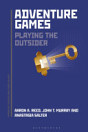
The genre of adventure games is frequently overlooked. Lacking the constantly-evolving graphics and graphic violence of their counterparts in first-person and third-person shooters or role-playing games, they are often marketed to and beloved by players outside of mainstream game communities. While often forgotten by both the industry and academia, adventure games have had (and continue to have) a surprisingly wide influence on contemporary games, in categories including walking simulators, hidden object games, visual novels, and bestselling titles from companies like Telltale and Campo Santo.
In this examination of heirs to the genre's legacy, the authors examine the genre from multiple perspectives, connecting technical analysis with critical commentary and social context. This will be the first book to consider this important genre from a comprehensive and transdisciplinary perspective. Drawing upon methods from platform studies, software studies, media studies, and literary studies, they reveal the genre's ludic and narrative origins and patterns, where character (and the player's embodiment of a character) is essential to the experience of play and the choices within a game. A deep structural analysis of adventure games also uncovers an unsteady balance between sometimes contradictory elements of story, exploration, and puzzles: with different games and creators employing a multitude of different solutions to resolving this tension.
In this examination of heirs to the genre's legacy, the authors examine the genre from multiple perspectives, connecting technical analysis with critical commentary and social context. This will be the first book to consider this important genre from a comprehensive and transdisciplinary perspective. Drawing upon methods from platform studies, software studies, media studies, and literary studies, they reveal the genre's ludic and narrative origins and patterns, where character (and the player's embodiment of a character) is essential to the experience of play and the choices within a game. A deep structural analysis of adventure games also uncovers an unsteady balance between sometimes contradictory elements of story, exploration, and puzzles: with different games and creators employing a multitude of different solutions to resolving this tension.
The genre of adventure games is frequently overlooked. Lacking the constantly-evolving graphics and graphic violence of their counterparts in first-person and third-person shooters or role-playing games, they are often marketed to and beloved by players outside of mainstream game communities. Whi...
ស្វែងរកច្រើនទៀត
អំពីអ្នកនិពន្ធ
Aaron Reed is an award-winning game designer and interactive narrative researcher. His work has been featured by IndieCade, Kirkus, GDC, South by Southwest, The Book Lab, Slamdance, GaymerX, and PAX. He is the author of Creating Interactive Fiction With Inform 7 (2010) and of Blue Lacuna, voted one of the Top 10 Interactive Fiction games of all time. He holds a PhD in Computer Science and an MFA in Digital Arts, and is currently working on tools to create more dynamic game characters as a co-founder of Spirit AI.
John T. Murray is an Assistant Professor of Digital Media at the University of Central Florida, USA. He is a co-author of Flash: Building the Interactive Web (2014). His research focuses on interactive narratives and reality media (augmented, virtual and mixed reality).
Anastasia Salter is an Assistant Professor of Digital Media at the University of Central Florida, USA. She is the author of Jane Jensen: Gabriel Knight, Adventure Games, Hidden Objects (Bloomsbury 2017) and What is Your Quest? From Adventure Games to Interactive Books (2014), and co-author of Toxic Geek Masculinity in Media: Sexism, Trolling, and Identity Policing (2017) and Flash: Building the Interactive Web (2014). She was part of the editorial team for the Electronic Literature Collection Volume 3.
Aaron Reed is an award-winning game designer and interactive narrative researcher. His work has been featured by IndieCade, Kirkus, GDC, South by Southwest, The Book Lab, Slamdance, GaymerX, and PAX. He is the author of Creating Interactive Fiction With Inform 7 (2010) and of Blue Lacuna, voted o...
វាយតម្លៃសៀវភៅអេឡិចត្រូនិកនេះ
ប្រាប់យើងអំពីការយល់ឃើញរបស់អ្នក។
អានព័ត៌មាន
ទូរសព្ទឆ្លាតវៃ និងថេប្លេត
ដំឡើងកម្មវិធី Google Play Books សម្រាប់ Android និង iPad/iPhone ។ វាធ្វើសមកាលកម្មដោយស្វ័យប្រវត្តិជាមួយគណនីរបស់អ្នក និងអនុញ្ញាតឱ្យអ្នកអានពេលមានអ៊ីនធឺណិត ឬគ្មានអ៊ីនធឺណិតនៅគ្រប់ទីកន្លែង។
កុំព្យូទ័រយួរដៃ និងកុំព្យូទ័រ
អ្នកអាចស្ដាប់សៀវភៅជាសំឡេងដែលបានទិញនៅក្នុង Google Play ដោយប្រើកម្មវិធីរុករកតាមអ៊ីនធឺណិតក្នុងកុំព្យូទ័ររបស់អ្នក។
eReaders និងឧបករណ៍ផ្សេងទៀត
ដើម្បីអាននៅលើឧបករណ៍ e-ink ដូចជាឧបករណ៍អានសៀវភៅអេឡិចត្រូនិក Kobo អ្នកនឹងត្រូវទាញយកឯកសារ ហើយផ្ទេរវាទៅឧបករណ៍របស់អ្នក។ សូមអនុវត្តតាមការណែនាំលម្អិតរបស់មជ្ឈមណ្ឌលជំនួយ ដើម្បីផ្ទេរឯកសារទៅឧបករណ៍អានសៀវភៅអេឡិចត្រូនិកដែលស្គាល់។