Podrobnosti o e‑knize
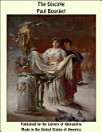
Excerpt: "The little drawing-room was illuminated by the soft light of three lamps—tall lamps standing on Japanese vases and bearing globes upon which rested flexible shades of a pale blue tint. The door was hidden by a piece of tapestry; two walls were hung with another piece, which was covered with large figures. Both windows were draped with curtains—drawn just now—of deep red colour and heavy of fold. The apartment thus closed in had a homelike air, which was heightened by the profusion of small articles scattered over the furniture: photographs set in frames, lacquered boxes, old-fashioned cases, a few Saxon statuettes, books stitched in covers of antique stuff, such as were coming into fashion in the year 1883. The wreathing foliage of an evergreen plant showed in one corner. Close beside it, an open piano displayed its white keys. An English screen with coloured glass and a shelf on which tea-cups, books, or work might be laid, stood in folds on one side of the fire-place. The fire burned with a peaceful crackling noise which formed an accompaniment to the sound proceeding from the tea-pot as the latter received the caresses from the flame of its lamp on the low table designed for such service."
Excerpt: "The little drawing-room was illuminated by the soft light of three lamps—tall lamps standing on Japanese vases and bearing globes upon which rested flexible shades of a pale blue tint. The door was hidden by a piece of tapestry; two walls were hung with another piece, which was covered ...
Zjistit více
O autorovi
Paul Bourget (1852-1935) was a French novelist, critic, and essayist whose works left an indelible mark on the literary landscape of the late 19th and early 20th centuries. Born in Amiens, France, Bourget initially pursued a career in medicine before turning to literature, where he found his true calling. His early works, characterized by their psychological depth and exploration of moral dilemmas, quickly garnered attention.Bourget's fascination with the human psyche and societal norms placed him at the forefront of the psychological novel genre. His keen observations of the bourgeoisie and the intellectual elite provided a mirror to the complexities of French society during the Belle Époque. His essays and critiques, particularly those in "Essais de psychologie contemporaine," were instrumental in shaping contemporary literary criticism and influenced a generation of writers, including Marcel Proust and André Gide.Controversy was never far from Bourget's career. His conversion to Catholicism in 1901 and subsequent conservative views alienated some of his earlier admirers but also brought him a new audience. Bourget's later works often grappled with themes of faith, tradition, and the clash between modernity and moral values, reflecting the broader cultural and ideological shifts of his time.Despite the controversies, Bourget's legacy endures through his pioneering psychological insights and his ability to capture the zeitgeist of a transformative era in French history. His influence on contemporary literature and thought remains a testament to his enduring relevance and the revolutionary ideas he championed.
Paul Bourget (1852-1935) was a French novelist, critic, and essayist whose works left an indelible mark on the literary landscape of the late 19th and early 20th centuries. Born in Amiens, France, Bourget initially pursued a career in medicine before turning to literature, where he found his true...
Ohodnotit e‑knihu
Sdělte nám, co si myslíte.
Informace o čtení
Telefony a tablety
Nainstalujte si aplikaci Knihy Google Play pro Android a iPad/iPhone. Aplikace se automaticky synchronizuje s vaším účtem a umožní vám číst v režimu online nebo offline, ať jste kdekoliv.
Notebooky a počítače
Audioknihy zakoupené na Google Play můžete poslouchat pomocí webového prohlížeče v počítači.
Čtečky a další zařízení
Pokud chcete číst knihy ve čtečkách elektronických knih, jako např. Kobo, je třeba soubor stáhnout a přenést do zařízení. Při přenášení souborů do podporovaných čteček elektronických knih postupujte podle podrobných pokynů v centru nápovědy.