A Blessing on the Moon
સપ્ટે 2010 · Algonquin Booksનાં દ્વારા વેચાયું
star
1 રિવ્યૂ
ઇ-પુસ્તક
272
પેજ
family_home
પાત્ર
info
આ ઇ-પુસ્તક વિશે
A magical realist novel about a Jewish man murdered during the Holocaust who returns as a wandering spirit, exploring the horrors of genocide, the resilience of the human spirit, and the enduring power of faith, memory, and hope.
At the center of A Blessing on the Moon is Chaim Skibelski. Death is merely the beginning of Chaim’s troubles. In the opening pages, he is shot along with the other Jews of his small Polish village. But instead of resting peacefully in the World to Come, Chaim, for reasons unclear to him, is left to wander the earth, accompanied by his rabbi, who has taken the form of a talking crow. Chaim’s afterlife journey is filled with extraordinary encounters whose consequences are far greater than he realizes.
Through magical realism, dark humor, and Jewish folklore, Skibell explores the horrors of the Holocaust and the struggle to find meaning amid unimaginable suffering. The novel reflects on memory, faith, survival, and the possibility of hope and spiritual renewal even in the face of profound evil. Not since art Spiegelman’s Maus has a work so powerfully evoked one of the darkest moments of the twentieth century with such daring originality. Winner of the Rosenthal Family Foundation Award from the American Academy of Arts & LettersTurner Prize for First Fiction from the Texas Institute of LettersA Book of the Month Club selectionStephen Crane First Fiction Award shortlistA Publishers Weekly Best Book of the YearA Bookriot “100 Must-Read Books of Jewish Fiction” selection
A magical realist novel about a Jewish man murdered during the Holocaust who returns as a wandering spirit, exploring the horrors of genocide, the resilience of the human spirit, and the enduring power of faith, memory, and hope.
At the center of A Blessing on the Moon is Chaim Skibelski. Death ...
વધુ શોધો
રેટિંગ અને રિવ્યૂ
1 રિવ્યૂ
લેખક વિશે
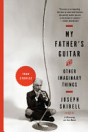
Possessing “a gifted, committed imagination” (New York Times), Joseph Skibell is the author of three novels, A Blessing on the Moon, The English Disease, and A Curable Romantic; the forthcoming collection of nonfiction stories My Father’s Guitar and Other Imaginary Things; and another forthcoming nonfiction work, Six Memos from the Last Millennium: A Novelist Reads the Talmud. He has received numerous awards, including the Rosenthal Foundation Award from the American Academy of Arts and Letters, a National Endowment for the Arts Fellowship, the Sami Rohr Award in Jewish Literature, Story magazine’s Short Short-Story Prize, and the Turner Prize for First Fiction.
As director of the Richard Ellmann Lectures in Modern Literature from 2008 to 2015, he sang and played guitar onstage with both Margaret Atwood and Paul Simon. A professor at Emory University, Skibell has also taught at the University of Wisconsin and the Michener Center for Writers at the University of Texas. Recently a Senior Fellow at the Bill and Carol Fox Center for Humanistic Inquiry, he is the Winship Distinguished Research Professor in the Humanities at Emory University. A native Texan, he lives mostly in his head.
As director of the Richard Ellmann Lectures in Modern Literature from 2008 to 2015, he sang and played guitar onstage with both Margaret Atwood and Paul Simon. A professor at Emory University, Skibell has also taught at the University of Wisconsin and the Michener Center for Writers at the University of Texas. Recently a Senior Fellow at the Bill and Carol Fox Center for Humanistic Inquiry, he is the Winship Distinguished Research Professor in the Humanities at Emory University. A native Texan, he lives mostly in his head.
Possessing “a gifted, committed imagination” (New York Times), Joseph Skibell is the author of three novels, A Blessing on the Moon, The English Disease, and A Curable Romantic; the forthcoming collection of nonfiction stories My Father’s Guitar and Other Imaginary Things; and another forthcoming...
આ ઇ-પુસ્તકને રેટિંગ આપો
તમે શું વિચારો છો અમને જણાવો.
માહિતી વાંચવી
સ્માર્ટફોન અને ટૅબ્લેટ
Android અને iPad/iPhone માટે Google Play Books ઍપ ઇન્સ્ટૉલ કરો. તે તમારા એકાઉન્ટ સાથે ઑટોમૅટિક રીતે સિંક થાય છે અને તમને જ્યાં પણ હો ત્યાં તમને ઑનલાઇન અથવા ઑફલાઇન વાંચવાની મંજૂરી આપે છે.
લૅપટૉપ અને કમ્પ્યુટર
Google Play પર ખરીદેલ ઑડિઓબુકને તમે તમારા કમ્પ્યુટરના વેબ બ્રાઉઝરનો ઉપયોગ કરીને સાંભળી શકો છો.
eReaders અને અન્ય ડિવાઇસ
Kobo ઇ-રીડર જેવા ઇ-ઇંક ડિવાઇસ પર વાંચવા માટે, તમારે ફાઇલને ડાઉનલોડ કરીને તમારા ડિવાઇસ પર ટ્રાન્સફર કરવાની જરૂર પડશે. સપોર્ટેડ ઇ-રીડર પર ફાઇલો ટ્રાન્સ્ફર કરવા માટે સહાયતા કેન્દ્રની વિગતવાર સૂચનાઓ અનુસરો.