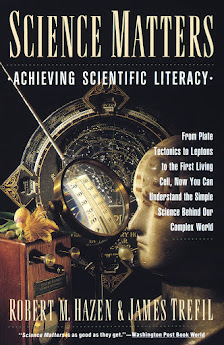
Science Matters: Achieving Scientific Literacy
Robert M. Hazen · James Trefil
មិថុនា 2009 · Penguin Random House Audio · បរិយាយដោយ Fred Sanders
star
ការវាយតម្លៃ 4
headphones
សៀវភៅជាសំឡេង
11 វិ 16 ន
មិនសង្ខេប
family_home
មានសិទ្ធិ
info
ចង់បានគំរូឥតគិតថ្លៃ 13 នាទី ទេ? ស្ដាប់បានគ្រប់ពេល ទោះគ្មានអ៊ីនធឺណិត។
បញ្ចូល
អំពីសៀវភៅជាសំឡេងនេះ
A science book for the general reader that is informative enough to be a popular textbook and yet well-written enough to appeal to general readers. “Hazen and Trefil [are] unpretentious—good, down-to-earth, we-can-explain-anything science teachers, the kind you wish you had but never did.”—The New York Times Book Review
Knowledge of the basic ideas and principles of science is fundamental to cultural literacy. But most books on science are often too obscure or too specialized to do the general reader much good.
Science Matters is a rare exception—a science book that is informative enough for introductory courses in high school and college, and yet lucid enough for readers uncomfortable with scientific jargon and complicated mathematics. And now, revised and expanded, it is up-to-date, so that readers can enjoy Hazen and Trefil's refreshingly accessible explanations of the most recent developments in science, from particle physics to biotechnology.
Knowledge of the basic ideas and principles of science is fundamental to cultural literacy. But most books on science are often too obscure or too specialized to do the general reader much good.
Science Matters is a rare exception—a science book that is informative enough for introductory courses in high school and college, and yet lucid enough for readers uncomfortable with scientific jargon and complicated mathematics. And now, revised and expanded, it is up-to-date, so that readers can enjoy Hazen and Trefil's refreshingly accessible explanations of the most recent developments in science, from particle physics to biotechnology.
A science book for the general reader that is informative enough to be a popular textbook and yet well-written enough to appeal to general readers. “Hazen and Trefil [are] unpretentious—good, down-to-earth, we-can-explain-anything science teachers, the kind you wish you had but never did.”—The Ne...
ស្វែងរកច្រើនទៀត
ការដាក់ផ្កាយ និងមតិវាយតម្លៃ
ការវាយតម្លៃ 4
អំពីអ្នកនិពន្ធ
Robert M. Hazen is the author of more than 350 articles and 20 books on earth science, materials science, origins of life, history and music. A Fellow of the American Association for the Advancement of Science, he received the Mineralogical Society of America Award, the Ipatief Prize, the ASCAP-Deems Taylor Award, and other awards for his research and writing. Hazen is a researcher at the Carnegie Institution for Science and is Robinson Professor of Earth Sciences at George Mason University. His recent books include Genesis: The Scientific Quest for Life's Origins and The Sciences: An Integrated Approach (with James Trefil).
James Trefil, Robinson Professor of Physics at George Mason University, is the author of over 40 books and 100 articles in professional journals. He is a fellow of the American Physical Society, the American Association for the Advancement of Science, and the World Economic Forum. He is the recipient of the Andrew Gemant Award (American institute of Physics), the Westinghouse and Subaru Awards (American Association for the Advancement of Science) and the 2008 Science Writing Award (American Physical Society). His most recent books are Why Science and The Sciences: An Integrated Approach (with Robert Hazen).
James Trefil, Robinson Professor of Physics at George Mason University, is the author of over 40 books and 100 articles in professional journals. He is a fellow of the American Physical Society, the American Association for the Advancement of Science, and the World Economic Forum. He is the recipient of the Andrew Gemant Award (American institute of Physics), the Westinghouse and Subaru Awards (American Association for the Advancement of Science) and the 2008 Science Writing Award (American Physical Society). His most recent books are Why Science and The Sciences: An Integrated Approach (with Robert Hazen).
Robert M. Hazen is the author of more than 350 articles and 20 books on earth science, materials science, origins of life, history and music. A Fellow of the American Association for the Advancement of Science, he received the Mineralogical Society of America Award, the Ipatief Prize, the ASCAP-D...
វាយតម្លៃសៀវភៅជាសំឡេងនេះ
ប្រាប់យើងអំពីការយល់ឃើញរបស់អ្នក។
ព័ត៌មានអំពីការស្ដាប់
ទូរសព្ទឆ្លាតវៃ និងថេប្លេត
ដំឡើងកម្មវិធី Google Play Books សម្រាប់ Android និង iPad/iPhone ។ វាធ្វើសមកាលកម្មដោយស្វ័យប្រវត្តិជាមួយគណនីរបស់អ្នក និងអនុញ្ញាតឱ្យអ្នកអានពេលមានអ៊ីនធឺណិត ឬគ្មានអ៊ីនធឺណិតនៅគ្រប់ទីកន្លែង។
កុំព្យូទ័រយួរដៃ និងកុំព្យូទ័រ
អ្នកអាចអានសៀវភៅដែលបានទិញនៅពេលកម្សាន្ត Google ដោយប្រើកម្មវិធីរុករកបណ្ដាញកុំព្យូទ័ររបស់អ្នក។


