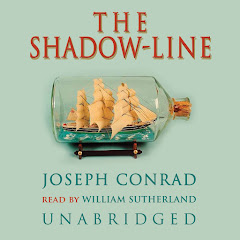
The Shadow-Line: A Confession
About this audiobook
Written at the start of the Great War, when his son Borys was at the Western Front, The Shadow-Line is Conrad's supreme effort to open man's eyes to the meaning of war through the stimulus of art. In many ways an autobiographical narrative, this masterpiece relates the story of a young and inexperienced sea captain whose first command finds him with a ship becalmed in tropical seas and a crew smitten with fever. As he wrestles with his conscience and with the sense of isolation that his position imposes, the captain crosses the "shadow-line" between youth and adulthood.
The qualities needed to confront the ship's crisis symbolize the very qualities needed by humanity, not only to face evil and destruction, but also to come to terms with life.
Discover more
About the author
Joseph Conrad (Józef Teodor Konrad Nalecz Korzeniowski) (1857–1924) was born in Ukraine. Raised by an uncle after the death of his parents, he educated himself by reading widely in Polish and French. At age twenty-one he began a long career sailing the seas on French merchant vessels, after which he went to London and began writing, using the romance and adventure of his own life for his incomparable sea novels.


